Theatre

What a Stage Manager Does During Tech Week: An Explainer
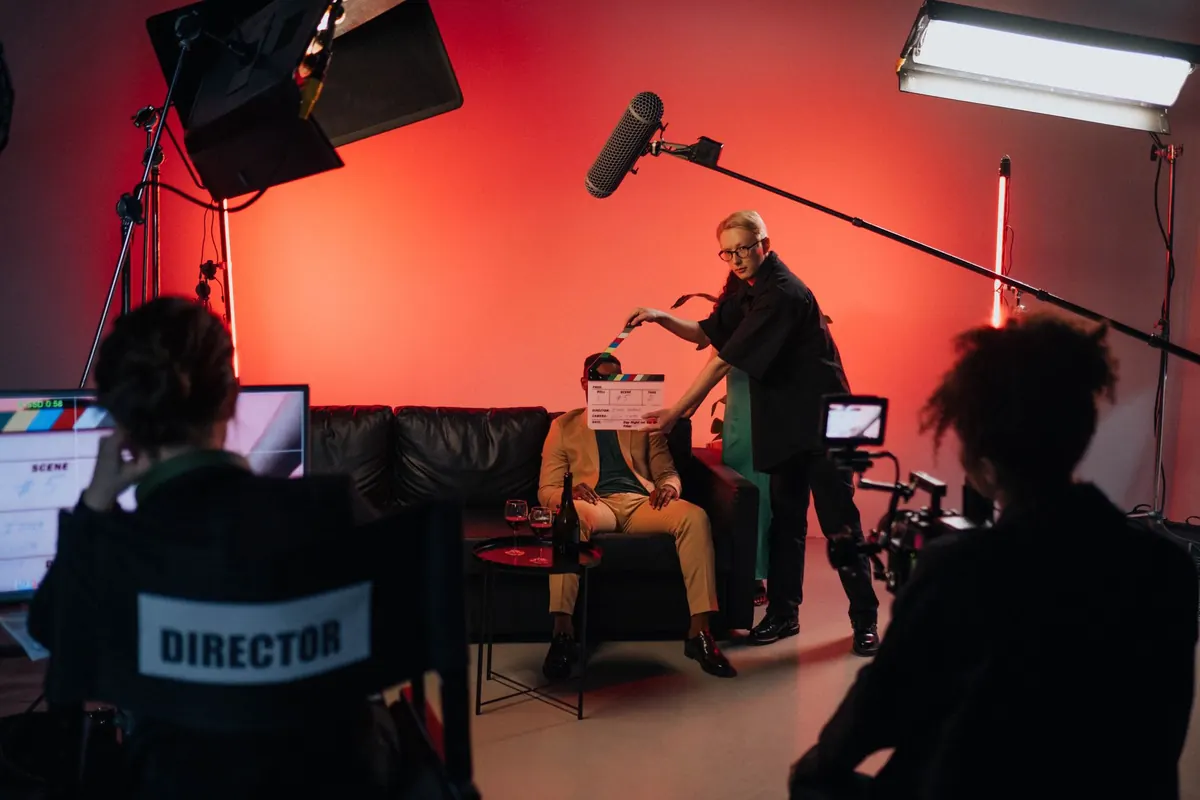
Tech week is the week a show stops being a rehearsal and becomes a machine. The set stops wobbling when someone leans on it, the lights begin to exist in specific states with numbers attached, and someone has to be responsible for making all of it happen in the same order, at the same time, every night. That someone is the stage manager.
If you have ever watched the person with the headset, the heavy binder and the quietly urgent voice, and wondered what exactly they are doing while the actors are still working out where to stand, here is the short answer: they are building the show's operating system. The longer answer takes a week.
What Tech Week Is Actually For
In the rehearsal room, the stage manager runs the room: start times, breaks, line notes, the actor who needs a different chair. In the theatre, the job widens considerably. The sound designer needs time to ring out the space. Wardrobe needs a fitting that was postponed twice. The lighting programmer needs the cast to stand still in the dark while a cue gets written. The producer wants to know whether the interval falls at 8:20 or 8:25, because the bar staff need an answer.
Tech week is where all those competing needs get sequenced into something workable. In most productions you will move through a cue-to-cue or first tech, then one or two full techs with costume changes, then dress rehearsals with front of house, then a preview or opening. The stage manager writes that schedule, defends it, and calmly rewrites it when the first morning turns out to be slower than anyone hoped. Being able to move a break by fifteen minutes without losing the room is half the skill.
Building the Prompt Book Before Anyone Calls "Go"
By the first tech, the prompt book should be heavy with annotation. Not decoration — annotation detailed enough that another person could pick it up and follow the show without you.
Marking the script
Every cue gets a number, a page and a trigger. Something like: LX 45 — page 34 — on the Doctor's line "then take it", two counts after the door slam. The trigger matters more than the number. Anyone can write down that a light cue happens in act two; the useful information is what tells you precisely when.
Writing a cue sheet
A cue sheet is the summary you will actually read at speed: cue number, what it does, what it is called on, and any standby that goes with it. Keep the numbering clean, and keep separate sequences for lighting, sound and flying — add a sound cue late in the process and you do not want to renumber the entire show. If you are working across UK and US scripts, note that lighting cues tend to be LX in Britain and L in America, which is exactly the sort of small thing that confuses a visiting operator on a Thursday.
How Cue Calling Actually Sounds
"Standby LX 45, sound 12 and fly cue 6." The departments answer: LX standing by, sound standing by. Then, when the trigger arrives: "LX 45, sound 12, fly 6 — GO."
Three things separate calling cues from reading numbers out loud. The first is timing: the warning has to come early enough for an operator to get their hands on the desk, late enough that they do not lose it. The second is consistency: say it the same way every night, because operators learn the shape of a call more than the words. The third is placement: the GO lands on the trigger, not near it. If the cue is on a door slam, the GO goes after the slam.
Missed cues happen. The correct response is neither to apologise over the channel nor to freeze. Call the next cue, note what happened, and deal with it afterwards. A missed cue is a note. A missed cue followed by a panicked three-cue catch-up is a problem.
The Rehearsal Report and the Paper Trail
Every night of tech week ends the same way for the stage manager: writing the report. It goes out before people go home, or first thing the next morning at the latest, and it is the single document that keeps a production honest. A good report is dry, specific and addressed to the people who can actually fix things.
Typical content:
- Attendance, latecomers, absences and any implications for understudy or cover rehearsals
- The next day's schedule, with call times for crew as well as cast
- Departmental notes: lighting, sound, wardrobe, set, props, front of house
- Cast notes that are logistical rather than directorial, such as a changed entrance side
- Safety items: a loose tread, a dark corner in the wings, a practical that sparks
- Decisions made in the room, so nobody relitigates them the following afternoon
Write each note as an action, not a feeling. "The tea tray arrives warm and the cups rattle" is a note for props. "The tea tray moment isn't landing" is a note for the director. Confusing the two is how departments end up irritated with each other by Thursday.
Backstage: the Deck, the Crew, and the Last Two Minutes Before an Entrance
From the wings, tech week is a logistics exercise. The stage manager or assistant stage manager runs the deck: presets get checked, props are laid out in order of use, glow tape and spike marks go down where performers actually stand rather than where the ground plan says they will, and every quick change gets walked through with wardrobe at show pace.
A short deck checklist for each night:
- Presets confirmed for every entrance, including the ones nobody thinks about
- Radio check with all departments before the house opens
- Quick-change positions staffed, with robe hooks, spare tights and a working torch
- A route to the stage in the dark, tested walking at show speed
- One named person who can deal with a broken prop mid-show
Radio discipline matters more than most people expect. Keep the channel for cue calls and safety. The story about the pigeon in the loading bay can wait for the interval.
Talking to Designers, Cast, and Everyone Else With a Question
The stage manager is the filter between the stage and everyone who wants something from it, which means making judgement calls in real time. If a stair has come loose, stop and say so; safety overrides the schedule without argument. If someone wants to know whether their laugh landed, that is a note for later, and probably for the director to answer.
Two habits keep this manageable. First, hold the note until the break: write it down, then give it once, in a calm sentence, to the person who can act on it. Second, tell people what is happening next, not only what is happening now. "We're back to the top of scene three in ten minutes" prevents a surprising amount of confusion in a dark wing.
With designers, be precise about the question you are asking. "Can we get a little more light downstage right?" is a request with no clear owner. "The actor can't find the glass in the dark on page 41 — can we shift the practical or add a glow?" is a problem with two possible solutions, which is far easier to answer at eleven at night.
A First-Tech-Week Checklist
Keep it short, keep it visible, keep it where you can find it in the dark.
- Print two copies of the schedule: one for the prompt book, one for the backstage noticeboard.
- Confirm the cue list with each department before the first tech, not halfway through it.
- Agree the stop signal and the show-stop procedure out loud, with the whole crew in the room.
- Write the report the same night. Morning-you will not remember which entrance the glass was left at.
- Build a fifteen-minute buffer before the dress rehearsal, and spend it on quiet checks rather than notes.
- On the last night of tech, walk the deck alone with a torch. It is the fastest way to find the thing everyone will trip over on opening night.
Photo: phmaxiestevez / Pixabay